

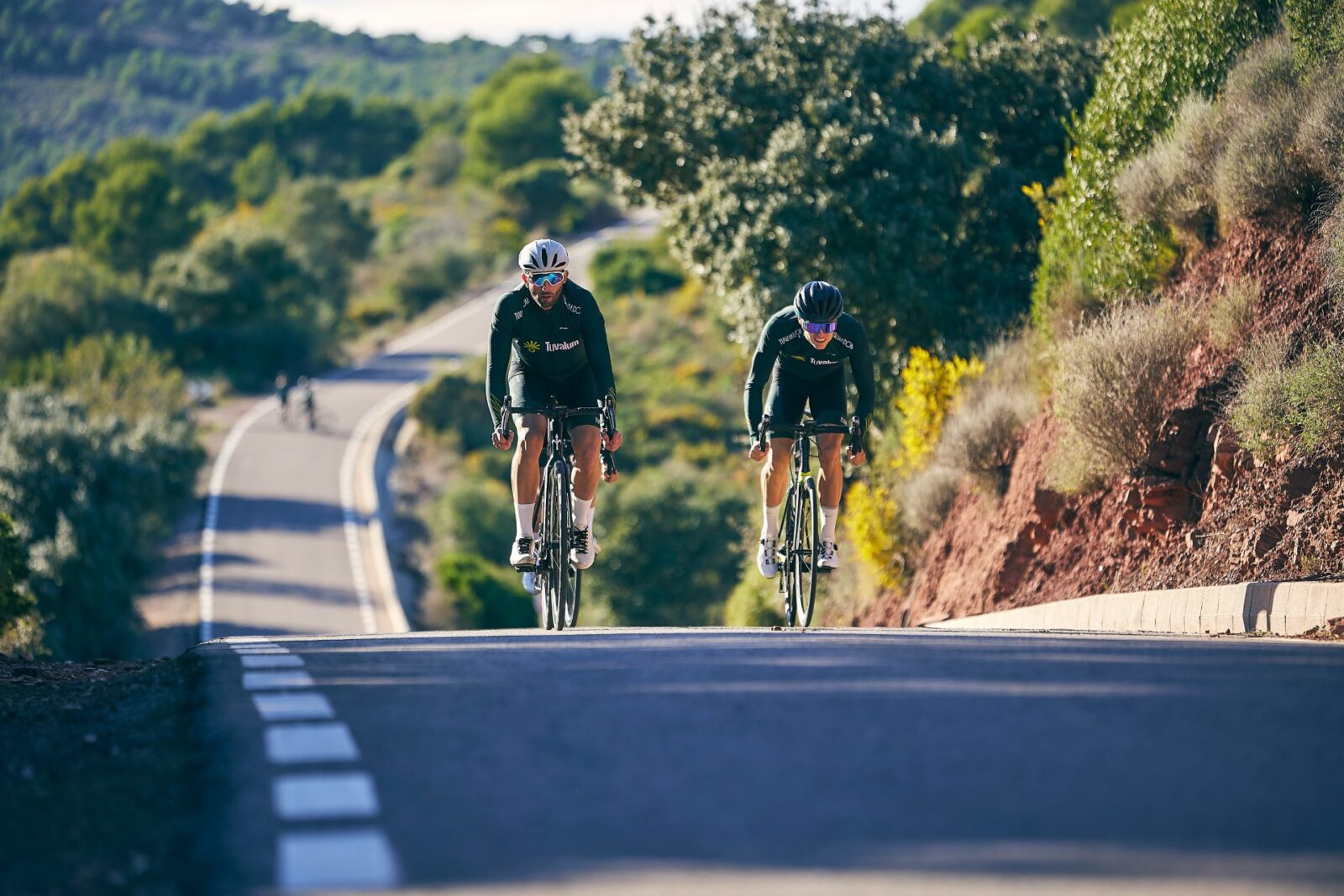
Choosing the right time of year for a cycling holiday in Croatia has a major impact on overall experience. Weather conditions, tourist density, accommodation availability, and even route comfort can vary significantly between seasons. While Croatia is a year-round destination along the coast, the optimal cycling windows are defined by temperature stability and road conditions rather than calendar dates alone.
Understanding seasonal patterns allows cyclists to balance comfort, scenery, and crowd levels. In general, spring and autumn are considered peak cycling seasons, while summer offers longer daylight but higher heat and tourist congestion, especially along the Adriatic coast and islands.
Spring (April to June): the ideal cycling season
Spring is widely regarded as the best period for cycling in Croatia. Temperatures are moderate, typically ranging from mild mornings to comfortably warm afternoons. Coastal landscapes are green, wildflowers are in bloom, and visibility is often excellent for sea and mountain views.
Road conditions are also favorable, with lower traffic compared to summer. This is particularly important on popular routes such as the Dalmatian coast and island circuits, where narrow coastal roads can become busy later in the season.
Another advantage of spring is the balance between operational tourism and natural calm. Hotels, ferries, and services are fully active, but destinations are not yet saturated with peak-season crowds.
Summer (July to August): high energy but challenging conditions
Summer in Croatia brings long daylight hours and a vibrant coastal atmosphere. However, it also introduces the most challenging conditions for cycling due to heat and increased traffic.
Temperatures along the coast frequently rise above comfortable cycling levels during midday hours. For this reason, early morning departures are essential, and routes are often adjusted to include shaded inland sections or shorter daily distances.
Despite these challenges, summer remains popular for travelers combining cycling with beach activities, swimming stops, and island exploration. The Adriatic Sea is at its warmest, making post-ride cooling highly appealing.
Autumn (September to October): the second peak season
Autumn is another excellent period for cycling in Croatia and is often considered equal to spring in terms of overall quality. The sea remains warm from summer, while air temperatures become significantly more comfortable for longer rides.
Traffic levels decrease after the peak tourist season, particularly in September. This creates ideal conditions for coastal and island cycling, with more relaxed roads and better accommodation availability.
October offers slightly cooler mornings and evenings, but often provides some of the most visually striking scenery of the year, with golden tones across vineyards, olive groves, and coastal hills.
Winter (November to March): quiet but limited options
Winter cycling in Croatia is possible, especially along the southern coast where temperatures remain relatively mild compared to inland Europe. However, this period is not ideal for structured cycling holidays due to variable weather, shorter daylight hours, and reduced tourism services in some areas.
Inland regions such as Lika and mountainous areas around national parks can experience cold conditions and occasional snow, limiting accessibility for cycling routes.
Crowds and route experience
Crowd levels play a significant role in cycling comfort, especially on popular coastal roads and island ferry routes. Peak summer months see increased traffic from both tourists and local travelers, which can impact riding flow.
Spring and autumn provide a more balanced experience, where cyclists can enjoy scenic routes without frequent interruptions. This is particularly noticeable on islands such as Hvar and Brač, where road density is low but summer tourism can still affect key segments.
Prices and availability
Accommodation and travel costs in Croatia fluctuate strongly by season. Summer typically brings the highest prices and limited availability in popular destinations. In contrast, spring and autumn offer better value, with more flexible booking options and improved service levels.
For cycling tours, this seasonality also affects group sizes and logistical planning. Shoulder seasons often provide the best combination of availability, pricing, and overall experience quality.
Conclusion
The best time for cycling in Croatia is generally spring and autumn, when weather conditions, traffic levels, and pricing are most favorable. Summer remains viable for experienced riders who are prepared for heat management and adjusted riding schedules. By selecting the right season, cyclists can significantly enhance both comfort and overall enjoyment of Croatia’s diverse landscapes.
