

Cycling in Croatia is generally safe and highly enjoyable, especially along the Adriatic coast and islands, but conditions vary significantly depending on route selection, season, and traffic intensity. Understanding local road behavior, terrain characteristics, and environmental factors is essential for a smooth and safe cycling experience.
Most cycling routes in Croatia combine public roads with scenic coastal highways, island roads, and inland rural sections. While many of these roads are well-maintained, they are not exclusively designed for cyclists, which means awareness and preparation play a key role in overall safety.
Understanding road conditions in Croatia
Croatian coastal roads are typically in good condition, with smooth asphalt and clear signage. However, they can be narrow in certain sections, especially where terrain is constrained between mountains and the sea. These stretches require increased attention due to occasional traffic and limited shoulder space.
Island roads are generally quieter and more suitable for cycling. However, they often include rolling terrain and sharp turns, particularly in areas such as Hvar and Brač. Inland roads vary more widely, with some regions offering very low traffic rural routes and others featuring more challenging infrastructure conditions.
Traffic behavior and awareness
Traffic along the Adriatic coast increases significantly during the summer season. Drivers are accustomed to cyclists, especially in popular regions, but maintaining predictable riding behavior is essential.
Riding in a single file on narrower roads, using clear hand signals, and maintaining visible positioning on the road improves safety. Early morning rides are often recommended to avoid peak traffic hours, especially on mainland coastal routes.
Seasonal considerations
Seasonality has a major impact on cycling safety in Croatia. Spring and autumn provide optimal conditions, with lower traffic volumes and more comfortable temperatures. Summer introduces higher tourist density, which affects both road traffic and pedestrian activity in coastal towns.
Heat management is also an important safety factor during summer. Hydration, sun protection, and adjusted riding schedules (early starts and midday breaks) are essential for avoiding heat-related fatigue.
Terrain challenges
Croatia’s terrain is highly diverse, ranging from flat coastal sections to steep inland climbs and mountainous areas. Riders should be prepared for elevation changes, particularly on islands and in regions near the Velebit mountain range.
Descents can be technically demanding in certain areas due to winding roads and gravel debris on corners. Controlled braking and appropriate speed management are important, especially on unfamiliar routes.
Visibility and equipment
High visibility gear is strongly recommended, particularly for early morning or late afternoon rides. Although daylight conditions are generally good in coastal regions, tunnels and shaded sections can reduce visibility unexpectedly.
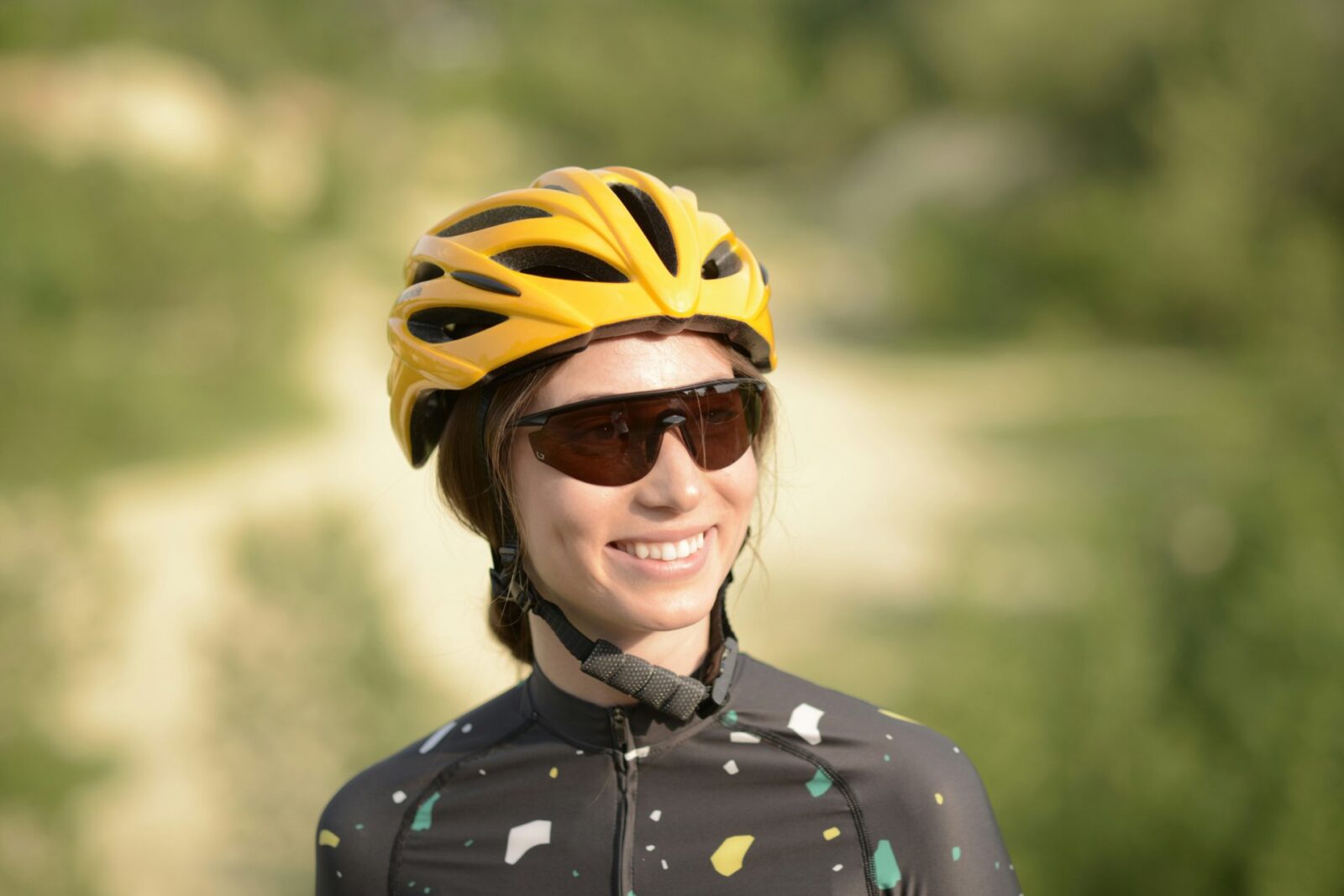
Basic safety equipment includes a properly fitted helmet, front and rear lights, and reflective elements. For guided tours, support vehicles often provide additional safety oversight and mechanical assistance if needed.
Hydration and environmental conditions
The Mediterranean climate along the Croatian coast can lead to rapid dehydration, especially during warmer months. Cyclists should carry sufficient water and refill at available stops, particularly in rural or island areas where services may be spaced apart.
Wind conditions, especially the bora wind along the Adriatic, can also affect riding stability. Riders should be prepared for sudden changes in wind strength and direction, particularly on exposed coastal sections.
Conclusion
Cycling in Croatia is safe when approached with awareness of local road conditions, seasonal factors, and terrain variability. By adapting riding style to traffic levels, preparing for elevation changes, and managing environmental conditions, cyclists can fully enjoy the country’s diverse routes with minimal risk.
