

Dalmatia is one of the most iconic cycling regions in Croatia, offering a unique combination of coastal roads, island connections, historic towns, and dramatic Mediterranean landscapes. The route between Split and Dubrovnik, in particular, is often considered one of the most scenic cycling corridors in Europe. It blends sea views, cultural landmarks, and varied terrain into a single continuous cycling experience.
Unlike purpose-built cycling highways, Dalmatia’s appeal lies in its natural road network. Cyclists follow coastal state roads, island loops, and inland detours that reveal a more authentic side of Croatia. The result is a journey that is not only physically engaging but also culturally rich and visually diverse.
Split as the starting point
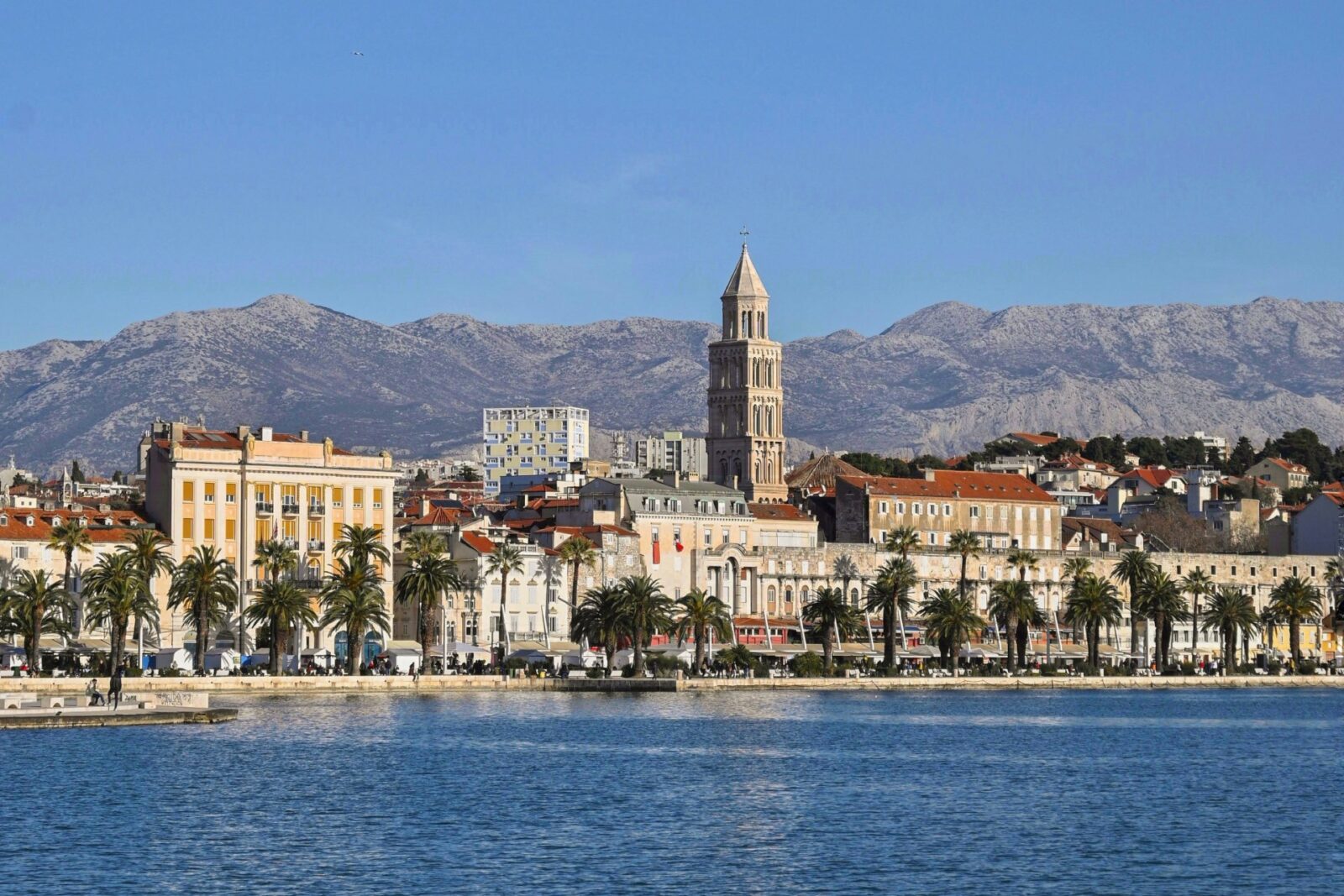
Split is the natural gateway to Dalmatian cycling routes. As Croatia’s second-largest city and a major transport hub, it provides excellent access to islands and coastal routes. The city itself is built around the ancient Roman Palace of Diocletian, giving cyclists an immediate sense of historical depth before even starting the ride.
From Split, riders can choose multiple directions: heading south along the mainland coast toward Makarska and Dubrovnik, or taking ferries to islands such as Brač and Hvar for alternative cycling routes with reduced traffic and more relaxed terrain.
The Makarska Riviera: coastal perfection
One of the most visually striking sections of the Dalmatian coast is the Makarska Riviera. This stretch sits between the Adriatic Sea and the steep slopes of the Biokovo mountain range, creating a narrow corridor of coastal road with constant sea views on one side and dramatic cliffs on the other.
For cyclists, this section offers smooth roads, consistent scenery, and frequent opportunities to stop in small coastal towns. However, traffic can increase during peak summer months, making spring and autumn the ideal seasons for riding this route.
Island cycling alternatives: Brač and Hvar
For those seeking quieter roads, Dalmatian islands provide an excellent alternative to mainland cycling. Brač is known for its rolling terrain, olive groves, and the famous Zlatni Rat beach. Its roads are relatively low-traffic, making it suitable for both leisure and more experienced cyclists.
Hvar, on the other hand, offers a mix of lavender fields, historic stone villages, and coastal climbs with panoramic views. The island has more elevation changes, making it slightly more demanding, but also more rewarding in terms of scenery.
Central Dalmatia: Trogir, Šibenik and beyond
Heading north from Split, cyclists encounter the historic towns of Trogir and Šibenik. Both are UNESCO-linked cultural destinations with well-preserved medieval architecture. These towns serve as excellent rest stops, offering accommodation, local cuisine, and cultural exploration.
Šibenik also provides access to Krka National Park, where cyclists can explore inland routes that lead to waterfalls and river landscapes, offering a complete contrast to the coastal sections of the journey.
Southern Dalmatia: the road to Dubrovnik
The final stretch toward Dubrovnik is one of the most memorable cycling experiences in Croatia. The road gradually becomes more rugged and dramatic, with the Pelješac Peninsula offering rolling hills, vineyards, and views of the open Adriatic Sea.
Crossing into the Dubrovnik region, cyclists are rewarded with one of the most iconic medieval cities in Europe. The old town, surrounded by massive stone walls, marks a fitting conclusion to a long coastal cycling journey.
Conclusion
Cycling through Dalmatia from Split to Dubrovnik is not just a physical route—it is a curated journey through history, nature, and coastal culture. With its mix of mainland roads, island detours, and historic towns, Dalmatia offers one of the most complete cycling experiences in the Mediterranean region.
