

Cycling in Croatia is not only a physical activity but also a culinary journey. The Adriatic coast and its inland regions offer one of the most diverse food landscapes in the Mediterranean, where cycling routes naturally intersect with vineyards, olive groves, coastal fisheries, and traditional family-run restaurants.
This combination of active travel and gastronomy is one of the key reasons cycling holidays in Croatia are increasingly popular. Riders are not just moving through landscapes—they are also experiencing regional identity through food, wine, and local production traditions.
Dalmatian cuisine along cycling routes
Dalmatian cuisine is strongly influenced by the Mediterranean diet, with an emphasis on fresh, seasonal ingredients. Cyclists riding along the coast frequently encounter dishes based on seafood, olive oil, vegetables, and locally baked bread.
Typical meals include grilled fish, octopus salad, black risotto, and simple pasta dishes prepared with olive oil and herbs. These meals are often served in small coastal taverns where recipes are passed down through generations.
Wine regions accessible by bike
Many of Croatia’s most important wine regions are located close to popular cycling routes. The Pelješac Peninsula, for example, is one of the most famous wine-producing areas in the country, known for robust red wines made from indigenous grape varieties.
Cycling through Pelješac allows riders to pass vineyards set against dramatic coastal and hillside landscapes, with opportunities to visit local wineries for tastings. Similar experiences can be found on islands such as Hvar, where small family vineyards produce distinctive local wines shaped by sun, wind, and rocky soil conditions.
Olive oil production and rural cycling routes
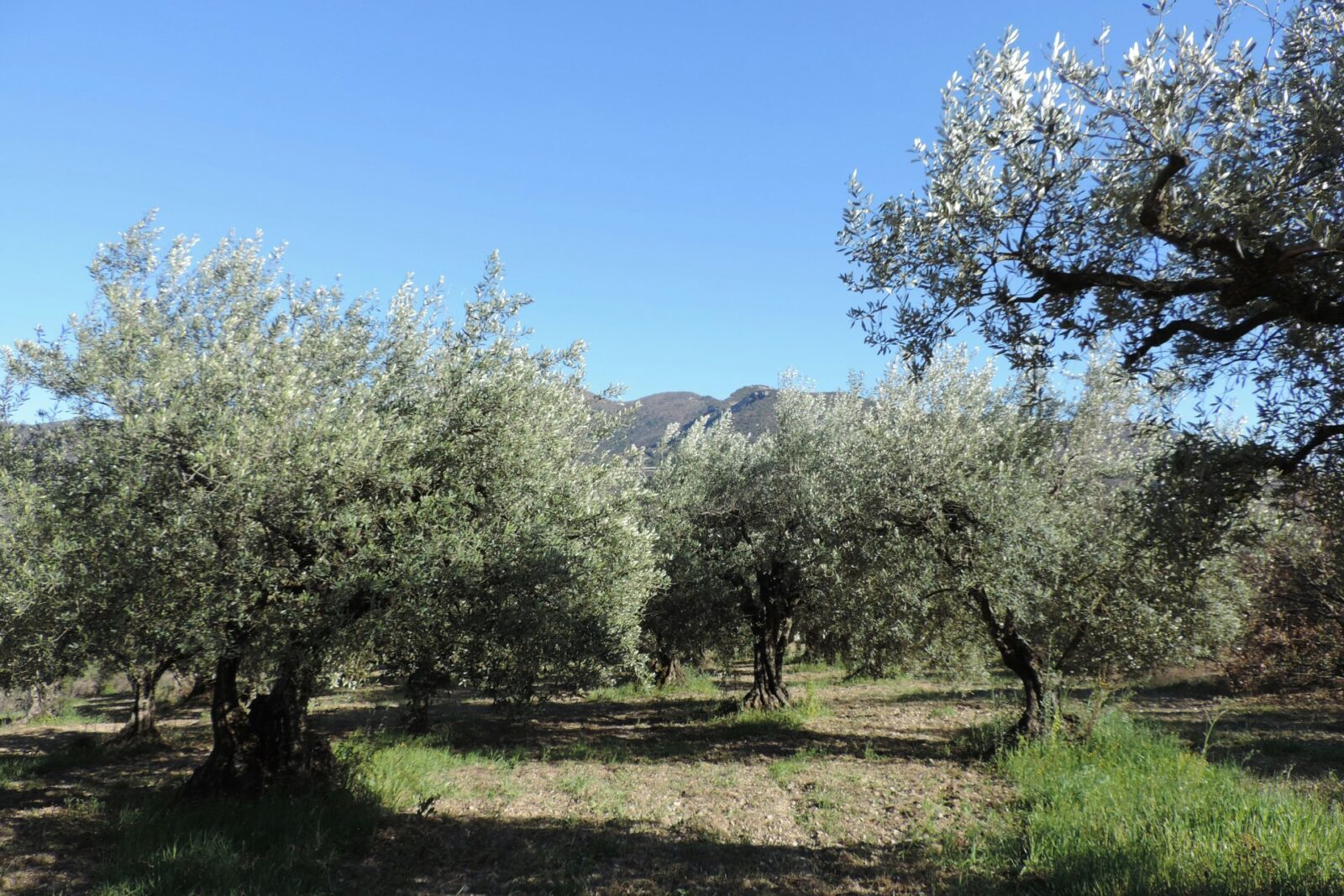
Olive oil is a cornerstone of Croatian coastal cuisine, particularly in Dalmatia and on the islands. Cycling routes often pass through centuries-old olive groves, where traditional cultivation methods are still used.
Many rural areas offer small-scale olive oil tastings, allowing cyclists to experience production methods and taste fresh, locally pressed oils. These stops add a cultural and sensory dimension to cycling tours, connecting riders directly with the agricultural landscape.
Coastal towns as culinary stops
Historic coastal towns such as Split, Trogir, Šibenik, and Dubrovnik serve as natural culinary hubs along cycling routes. Each town offers a slightly different interpretation of coastal Croatian cuisine, influenced by historical trade routes and regional traditions.
These stops are typically integrated into daily cycling itineraries, allowing riders to combine exploration of historic architecture with lunch breaks or evening dining experiences along the waterfront.
Island food culture
Croatian islands each have their own distinct culinary identity. Hvar is known for aromatic herbs and high-quality olive oil, Brač for lamb and cheese, and Korčula for white wines and traditional seafood dishes.
Cycling through these islands provides direct access to small villages where food production is highly localized and often family-run. This creates a strong connection between the rider and the place, as meals are often prepared using ingredients sourced within the immediate surroundings.
Cycling, food, and slow travel experience
The integration of gastronomy into cycling tours reflects a broader trend of slow travel. Instead of focusing solely on distance or speed, cyclists are encouraged to engage with local culture through food experiences, tastings, and regional specialties.
This approach transforms cycling holidays into immersive journeys where physical activity is balanced with cultural discovery and culinary enjoyment.
Conclusion
Cycling and gastronomy in Croatia are naturally interconnected. The country’s coastal and island routes pass through some of the richest culinary regions in the Mediterranean, offering cyclists continuous access to local food, wine, and olive oil traditions. This combination makes Croatia not only a cycling destination but also a culinary landscape best experienced at a slower, more engaged pace.
