

Cycling holidays in Croatia can be experienced in very different ways depending on riding style, fitness level, and expectations. The two most common approaches are road cycling and leisure cycling. While both follow similar geographic regions—especially the Adriatic coast and islands—their structure, intensity, and overall experience differ significantly.
Understanding these differences is essential when choosing a cycling tour in Croatia, as it directly affects daily distances, elevation gain, pacing, and the type of routes included in the itinerary.
What defines road cycling in Croatia
Road cycling in Croatia is designed for more experienced riders who prioritize performance, endurance, and longer daily distances. These tours typically use lightweight road bikes and focus on continuous riding over varied terrain.
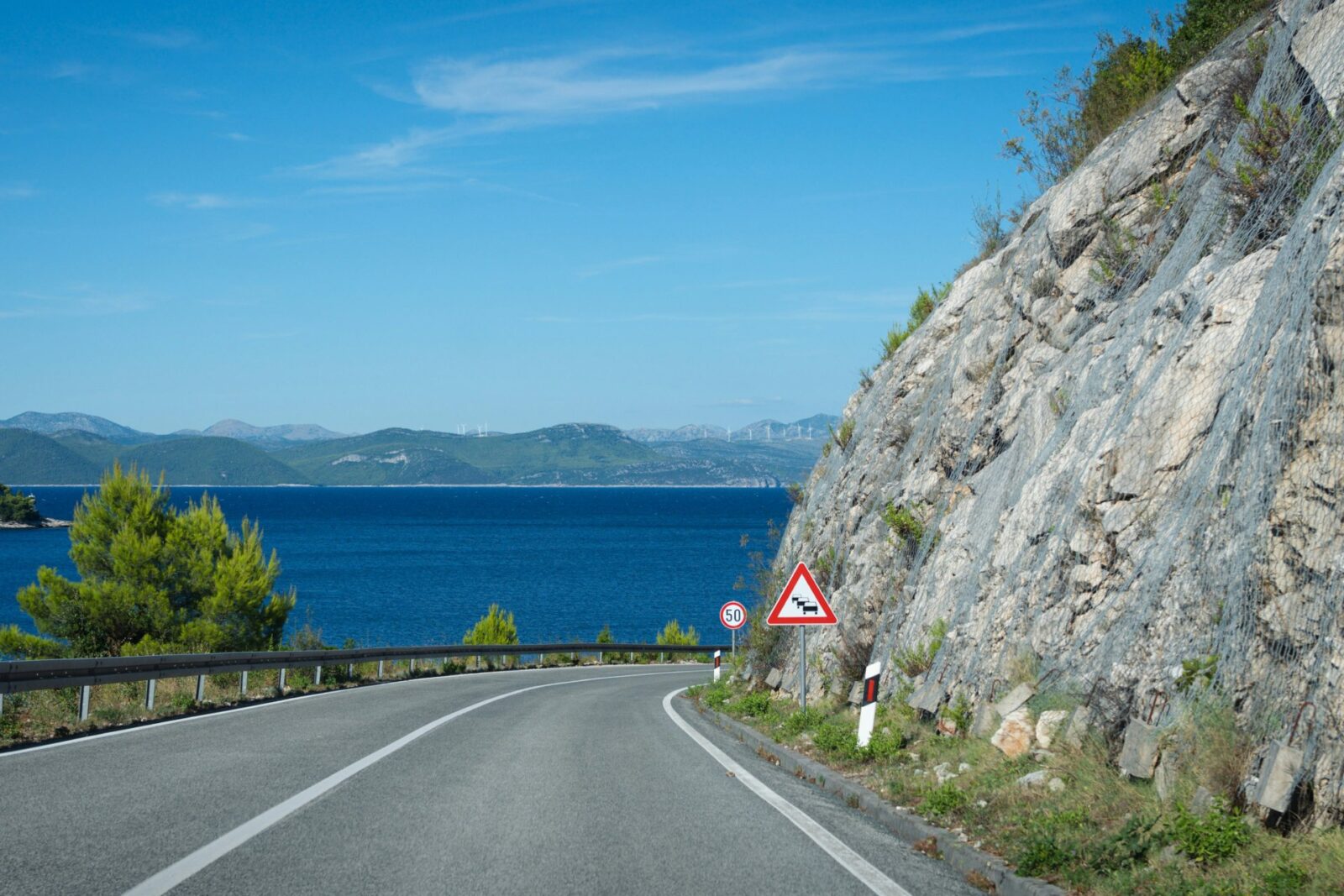
Routes often include longer stretches along coastal highways, inland climbs, and more demanding elevation profiles. The Dalmatian coast, for example, offers excellent road cycling conditions with its combination of smooth asphalt, rolling hills, and scenic mountain backdrops.
Daily rides are generally longer and faster-paced, with fewer extended stops compared to leisure cycling. The emphasis is on covering distance efficiently while still enjoying key viewpoints and cultural highlights.
What defines leisure cycling in Croatia
Leisure cycling is designed for comfort, exploration, and flexibility rather than performance. It is ideal for travelers who want to experience Croatia at a relaxed pace, with frequent stops and shorter daily distances.
Leisure tours often include a mix of coastal paths, secondary roads, and island routes with lower traffic intensity. The focus is on scenery, cultural experiences, and enjoyment rather than speed or endurance.
This style is particularly popular among mixed-ability groups, couples, and travelers who prefer to combine cycling with swimming, sightseeing, and gastronomy.
Terrain and route differences
Road cycling routes in Croatia tend to utilize more direct and elevation-rich profiles. Climbs in regions such as Hvar, Pelješac, and inland Dalmatia are often included to challenge riders physically and provide rewarding panoramic views.
Leisure cycling routes, on the other hand, prioritize smoother gradients and more accessible terrain. Islands like Brač and Korčula are frequently used for leisure tours due to their balanced profiles and scenic but manageable road networks.
Daily distance and pace
Road cycling tours typically involve longer daily distances and higher average speeds. Riders spend more continuous time on the bike, with structured breaks rather than frequent stops.
Leisure cycling tours are more flexible, with shorter distances and a slower overall pace. This allows more time for sightseeing, swimming breaks, and cultural visits along the route.
Bike types and support
Road cycling tours usually use performance-oriented road bikes designed for speed and efficiency on paved surfaces. Riders are expected to handle more demanding physical output.
Leisure cycling often involves hybrid bikes or e-bikes, which provide additional comfort and support, especially on hilly terrain. E-bikes significantly expand accessibility, making leisure cycling suitable for a wider range of fitness levels.
Which option is better for Croatia?
Croatia’s geography supports both cycling styles exceptionally well. Road cycling benefits from long coastal stretches and challenging inland climbs, while leisure cycling thrives on island networks, scenic coastal roads, and cultural stopovers.
The choice ultimately depends on whether the priority is performance or experience. Riders seeking physical challenge and endurance will gravitate toward road cycling, while those prioritizing exploration and comfort will find leisure cycling more suitable.
Conclusion
Both road cycling and leisure cycling offer compelling ways to explore Croatia. The country’s diverse terrain, from Adriatic coastlines to island routes and inland hills, supports a wide spectrum of cycling experiences. Selecting the right style ensures that the tour matches expectations, fitness level, and desired travel pace.
