

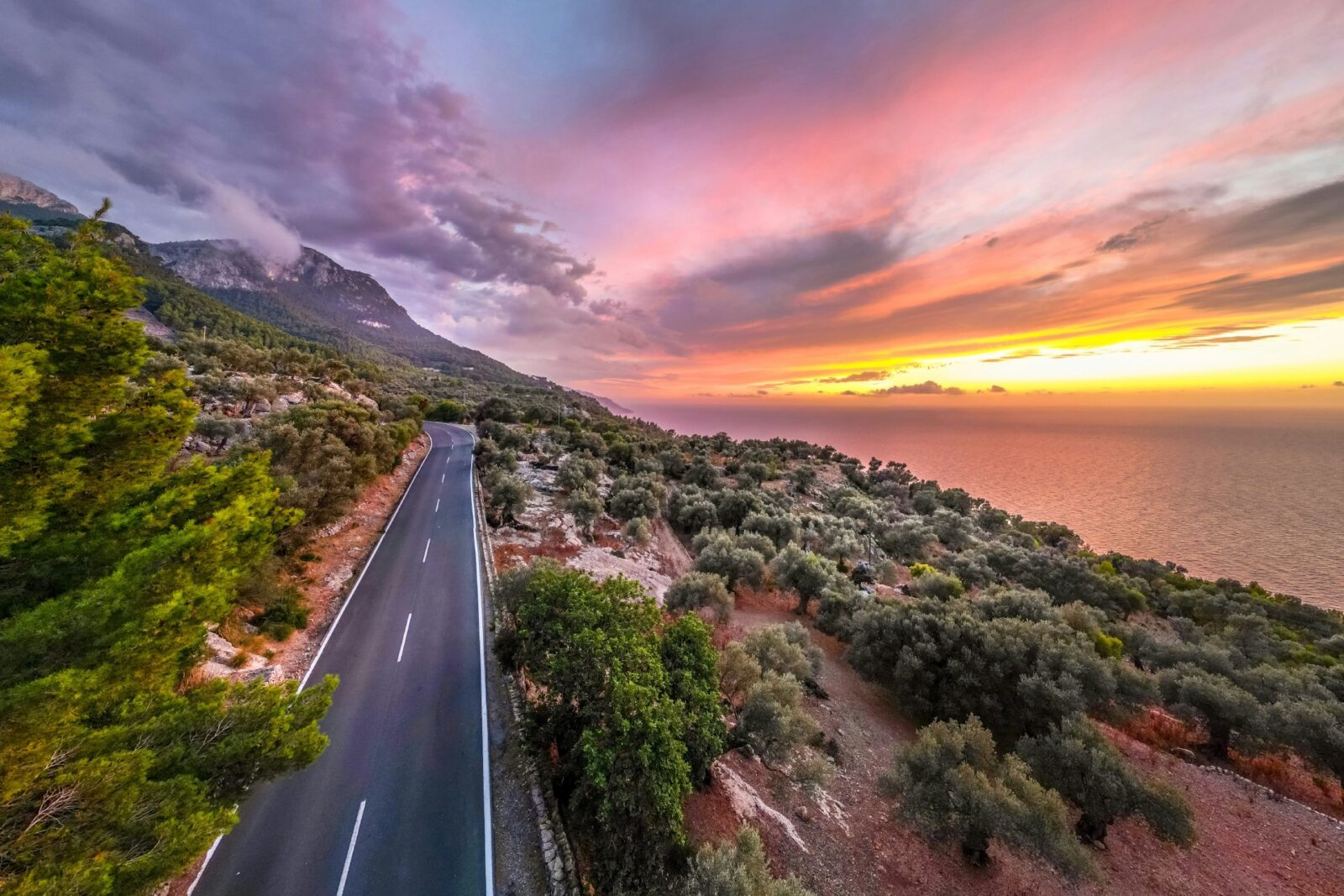
Croatia has rapidly positioned itself as one of Europe’s most compelling cycling destinations, competing with established markets such as Italy and Spain. While those countries have long-standing cycling tourism infrastructure, Croatia offers a different type of value proposition: less congestion, highly diverse terrain within short distances, and a strong combination of coastal, island, and inland riding experiences.
The appeal is not based on a single factor but on a combination of geography, accessibility, climate, and cultural richness. For cyclists seeking variety without excessive travel distances between regions, Croatia provides an unusually compact yet diverse cycling environment.
Geographic diversity in a compact area
One of Croatia’s strongest advantages compared to Italy and Spain is geographic density. Within a relatively small area, cyclists can experience Adriatic coastlines, mountainous inland regions, river valleys, and over a thousand islands.
Italy and Spain certainly offer vast cycling landscapes, but transitions between distinct terrain types often require longer transfers. In Croatia, it is possible to move from coastal riding to island terrain or inland hills within a single day or short ferry ride.
Lower traffic intensity and riding experience
Compared to popular cycling regions in Italy and Spain, many areas in Croatia offer lower traffic intensity, particularly on islands and secondary coastal roads. This contributes to a more relaxed riding experience, especially for leisure cyclists and guided tours.
While main coastal highways can become busier during peak summer months, alternative routes through islands and inland regions provide quieter and more controlled cycling environments.
Island cycling as a unique differentiator
One of Croatia’s most distinctive advantages is its island network. Destinations such as Hvar, Brač, Korčula, and many smaller islands offer dedicated cycling experiences that are difficult to replicate in other European countries at the same scale.
Island cycling combines short distances, scenic coastal roads, and frequent elevation changes, creating highly varied daily rides within compact geographic zones. Ferry connectivity further enhances route flexibility, enabling multi-island itineraries.
Climate advantages for seasonal cycling
Croatia’s Mediterranean climate along the coast is similar to parts of Italy and Spain, but with a slightly different seasonal balance. Spring and autumn provide particularly strong cycling conditions, with comfortable temperatures and reduced tourist density.
Summer cycling remains possible, but often requires adjusted timing such as early morning starts due to heat exposure. Inland regions and forested areas can offer cooler alternatives during peak heat periods.
Cultural and historical depth along routes
Cycling in Croatia naturally integrates cultural and historical experiences. Routes frequently pass through Roman-era cities, Venetian coastal towns, and medieval fortifications, particularly in regions such as Split, Trogir, Šibenik, and Dubrovnik.
While Italy is globally renowned for cultural heritage, Croatia offers a similar density of historical landmarks within shorter cycling distances and with less tourist saturation in many areas.
Gastronomy and local authenticity
Another key differentiator is the authenticity of local food experiences along cycling routes. Croatian coastal and island cuisine is strongly tied to small-scale production, including olive oil, wine, seafood, and traditional family-run restaurants.
This creates a more intimate gastronomic experience compared to more commercialized regions in parts of Italy and Spain, especially in peak tourist zones.
Value and accessibility
From a logistical perspective, Croatia often provides better value in terms of accommodation, guided tours, and services compared to more established Western European cycling destinations.
This makes it particularly attractive for organized cycling holidays, where cost efficiency, service quality, and route diversity must be balanced.
Conclusion
Croatia’s position as a top European cycling destination is based on a combination of compact geographic diversity, island accessibility, favorable climate, and authentic cultural experiences. While Italy and Spain remain dominant in scale and global recognition, Croatia offers a more concentrated and less congested alternative that is particularly well suited to structured cycling holidays.
